DSIR Recognition
Kirtiman Agrogenetics Limited is officially recognized by the Department of Scientific and Industrial Research (DSIR), under the Ministry of Science & Technology, Government of India.
Seed
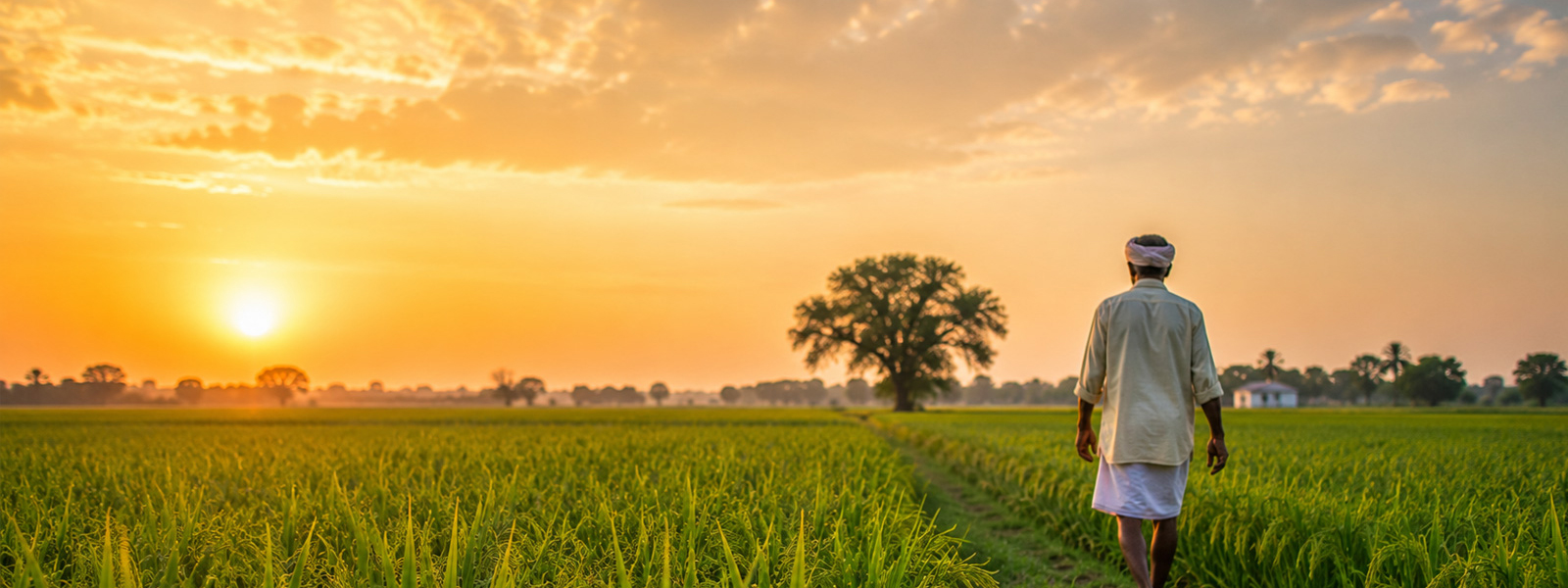
From science to harvest
Science in every seed, success in every field. High-quality seed solutions, researched and produced so farmers can grow with confidence.
ScrollThe science
A seed company is a sequence. Research becomes genetics. Genetics become a selection. Selection becomes seed. Seed becomes a crop. The crop becomes a harvest — and then the work begins again.
01 / 06
A dedicated R&D team focused on field crops and vegetables. Breeding is observed first in the research plot — science that starts in soil.
Research ↓ Genetics
02 / 06
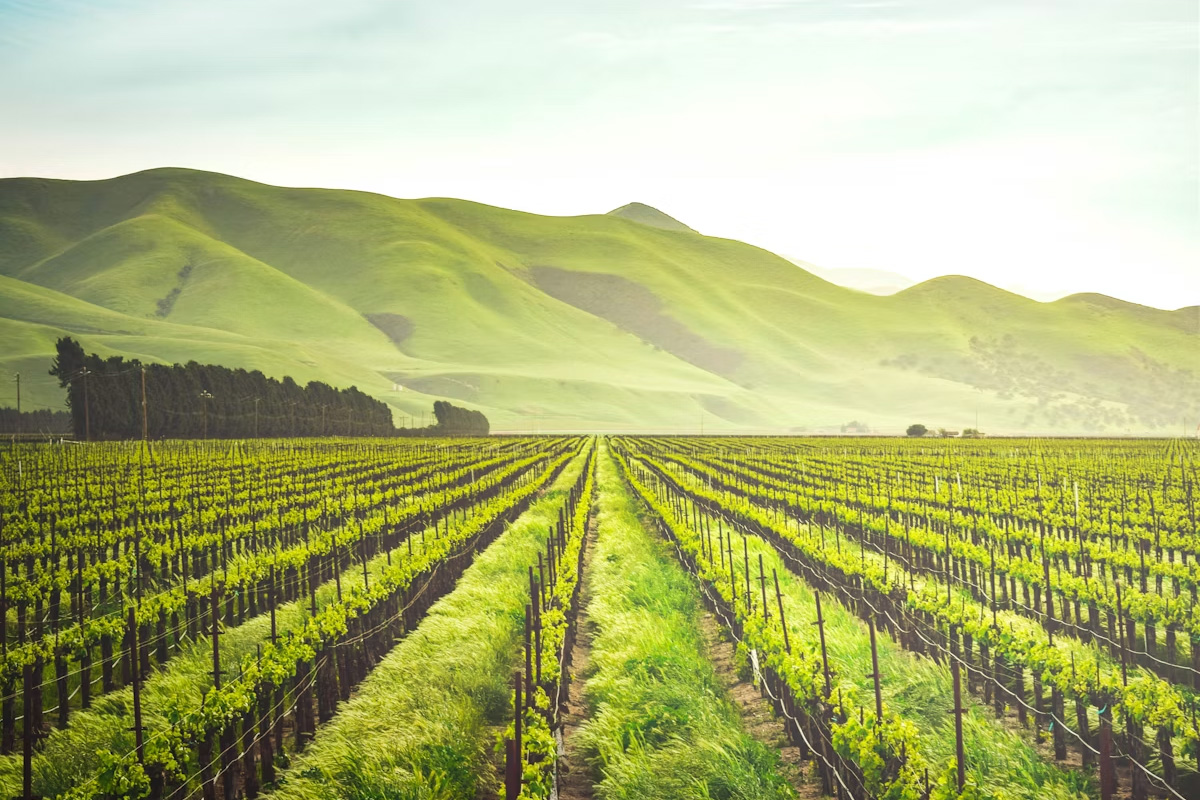
Parent lines and hybrid combinations, bred so a variety can carry the crop. The work behind proprietary seed for Indian fields.
Genetics ↓ Selection
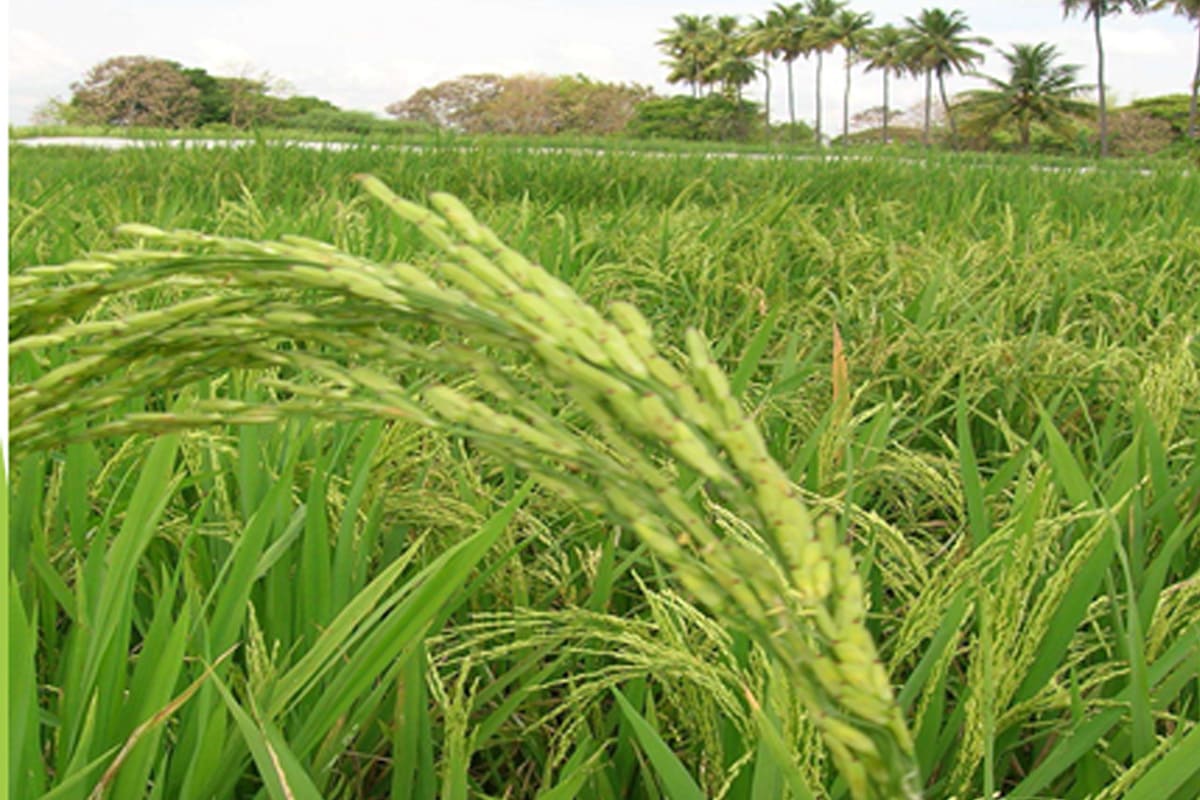
03 / 06
Lines are selected for the crop, the region, and the season — regional-specific varieties developed to meet climate and field realities.
Selection ↓ Seed
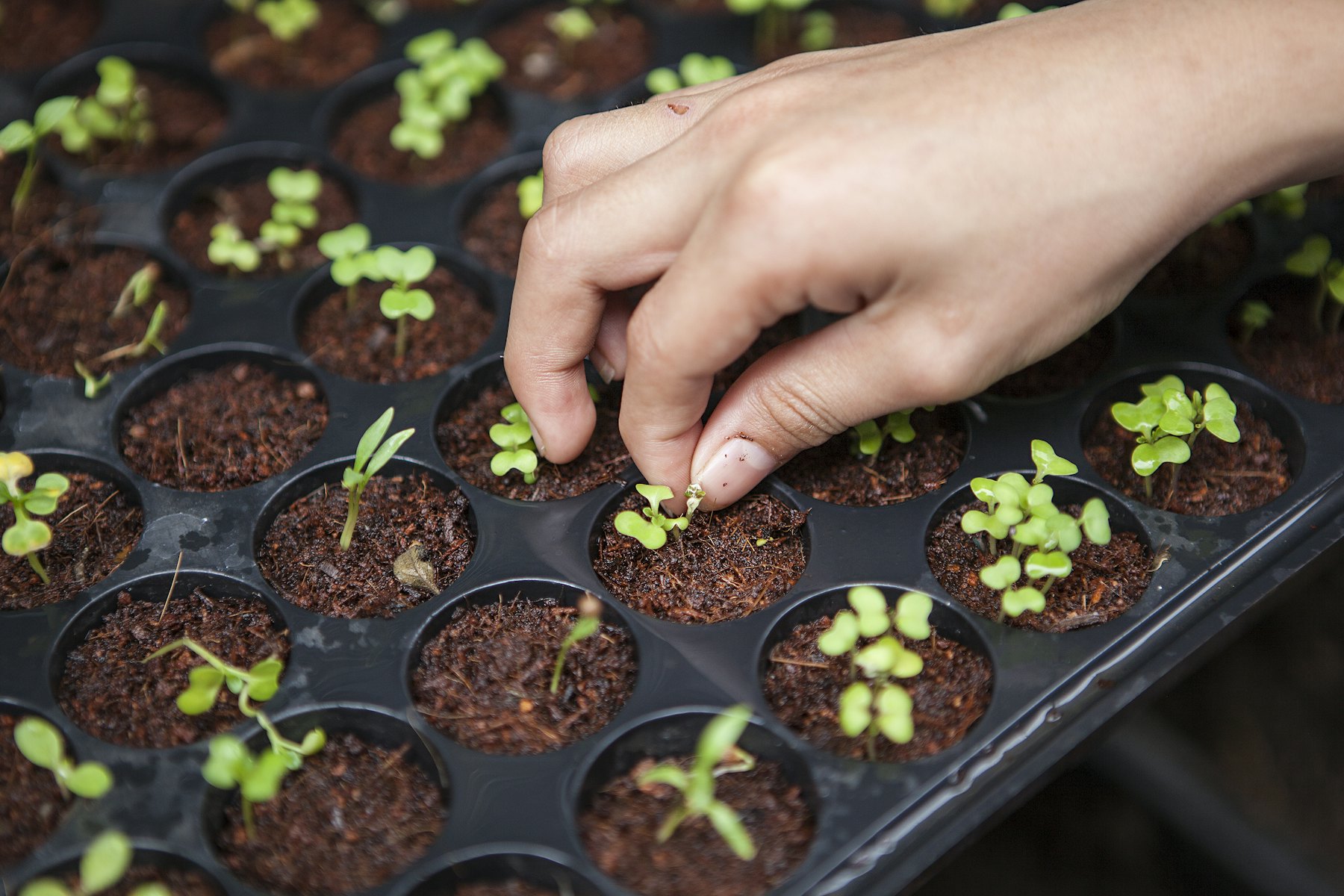
04 / 06
Production teams grow and sustain quality seed. Field standards come first, then testing in the Quality Assurance Lab.
Seed ↓ Crop
05 / 06
Varieties developed for germination, stand, fibre, grain, and the realities of the fields they will meet.
Crop ↓ Harvest
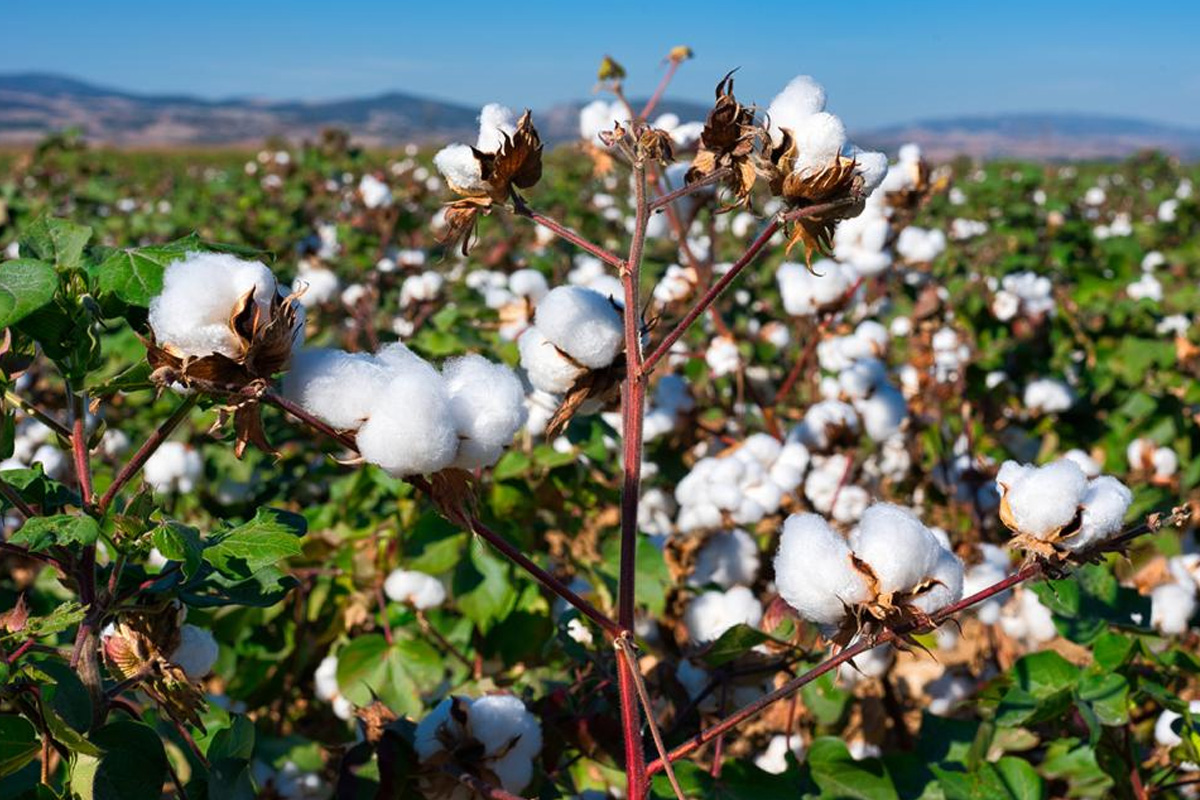
06 / 06
The only proof that matters: a crop that performs for the farmer who planted it. Science in every seed, success in every field.
The company
Kirtiman Agro Genetics is an agro-input company, mainly dealing in seeds. We apply innovative techniques to meet the challenges of present agriculture — with research that begins in the plot and ends in the harvest.
Science in every seed.Success in every field.
The book
Field crops and vegetables — selected for the Indian season, produced to quality standards, and offered through a growing national network.
Field crop·01 / 08
Advanced cotton seed varieties developed for superior fibre quality and higher productivity.
View varietiesField crop
Advanced cotton seed varieties developed for superior fibre quality and higher productivity.
Field crop
Advanced paddy seed varieties developed for superior grain quality and productivity.
Field crop
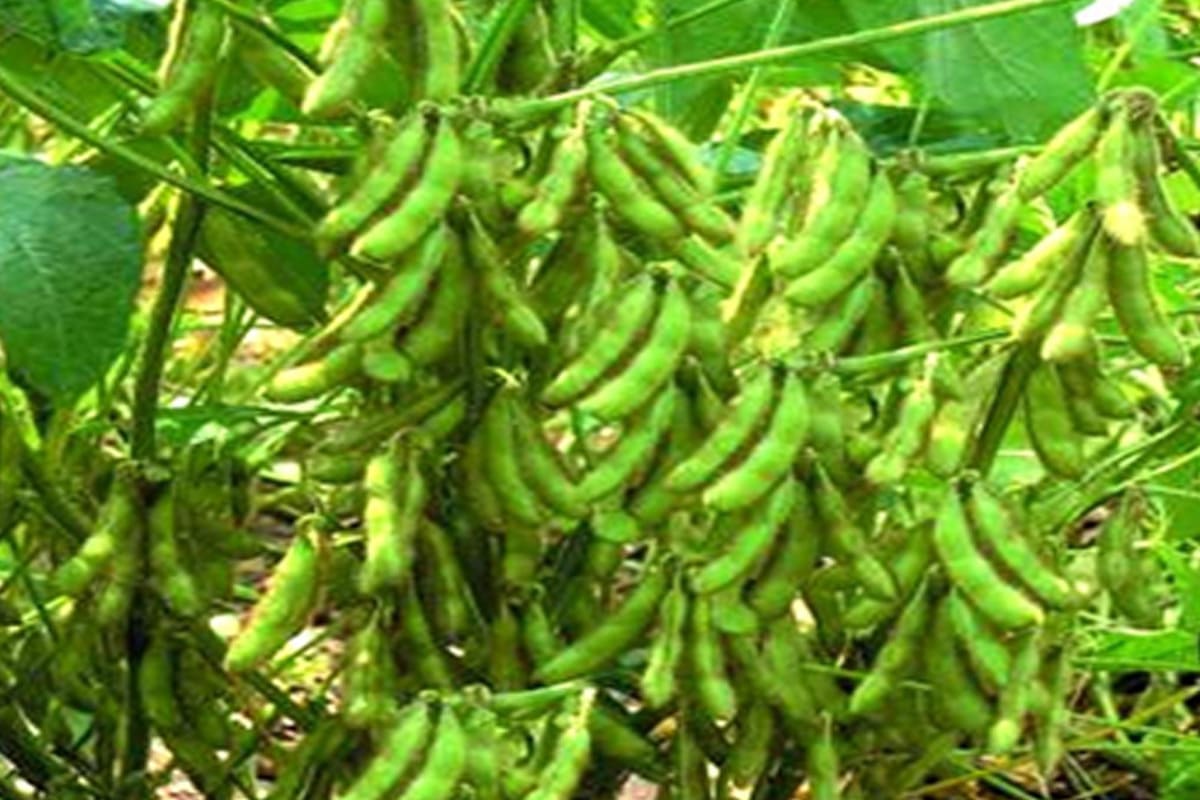
Premium soybean seed varieties developed for higher productivity and reliable field performance.
Field crop
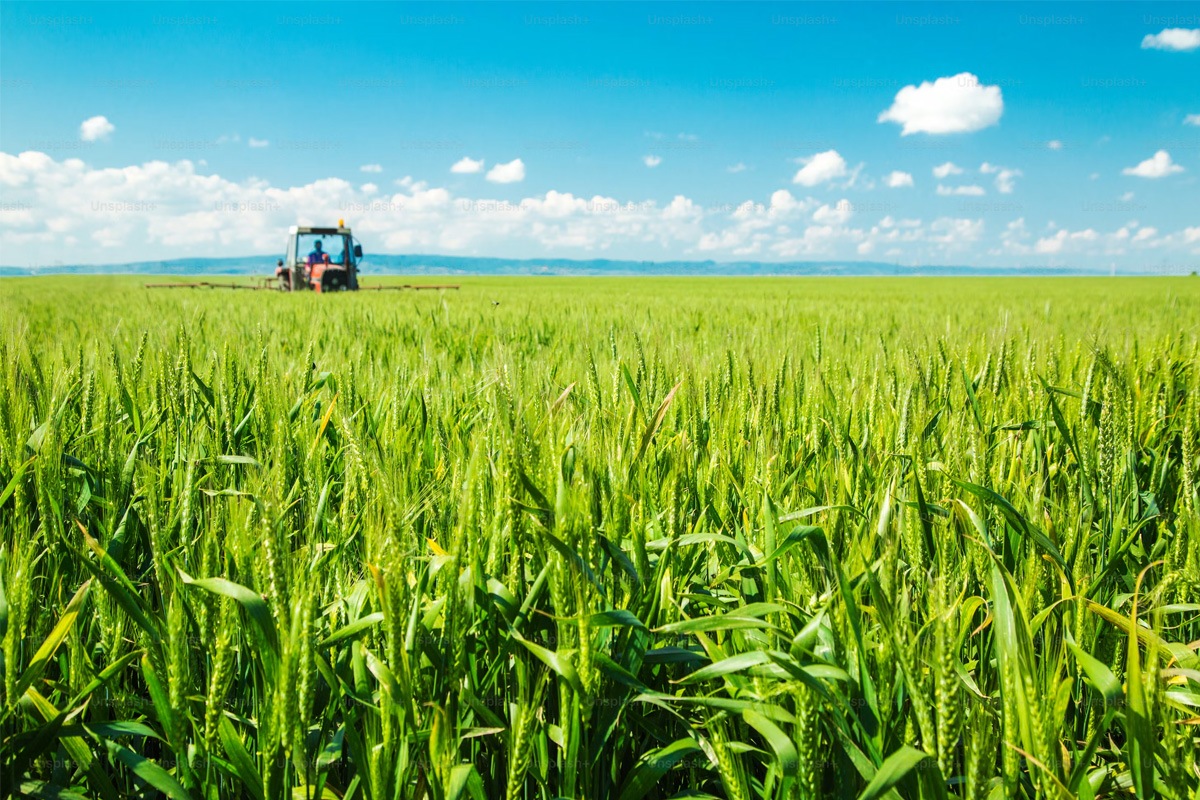
Reliable wheat seed varieties developed for consistent performance and grain quality.
Field crop
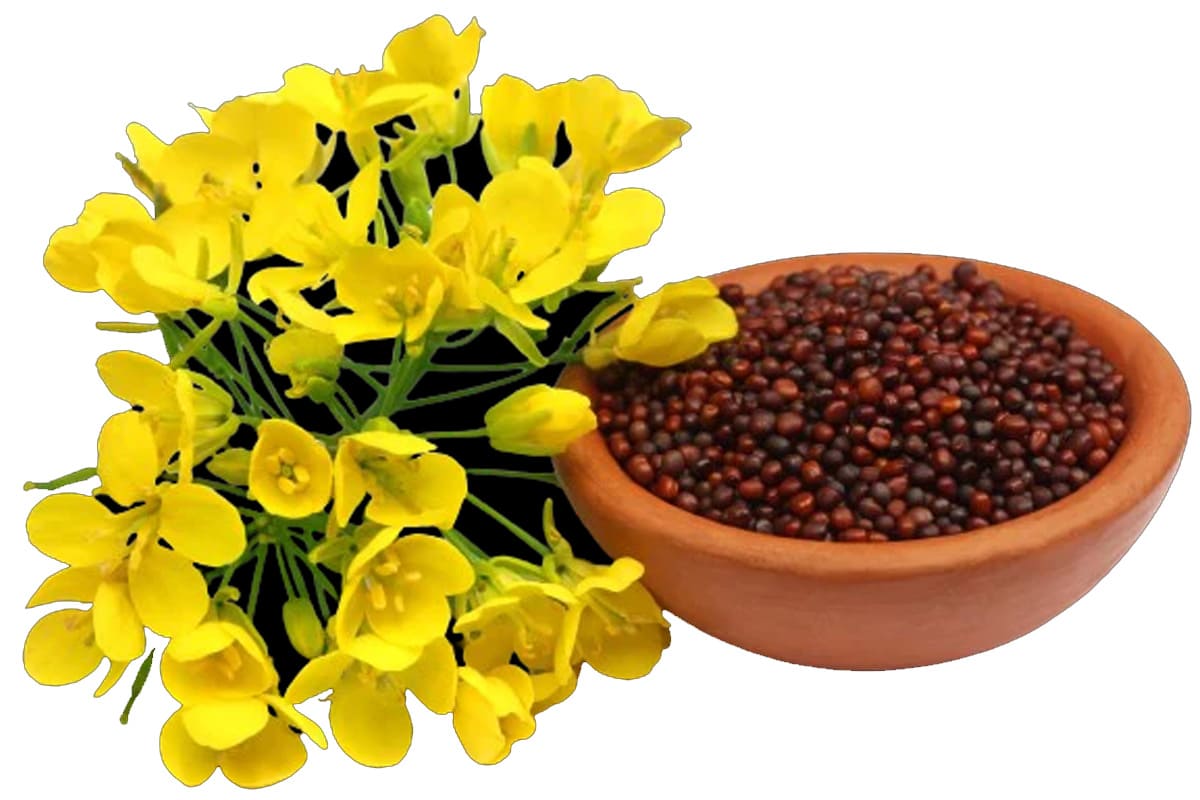
Improved mustard seed varieties known for excellent oil content and field performance.
Field crop
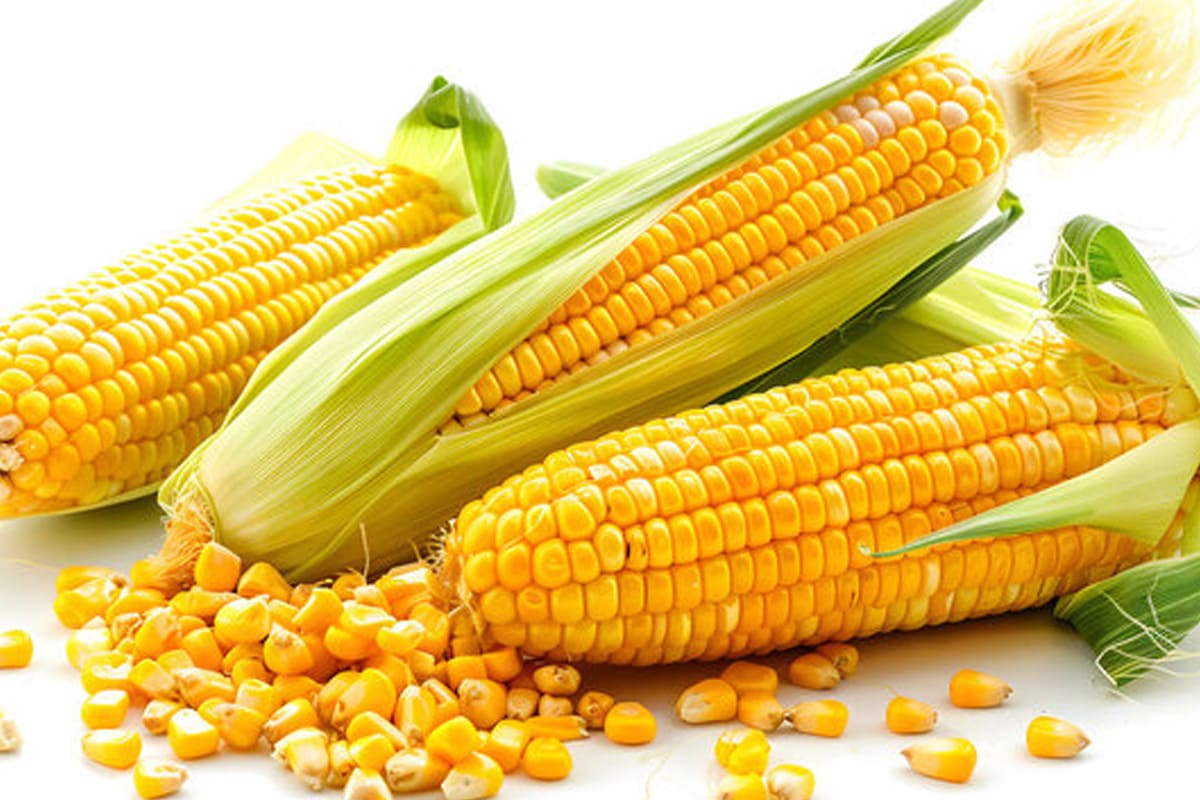
High-yield maize hybrids designed for strong growth and excellent harvest results.
Field crop
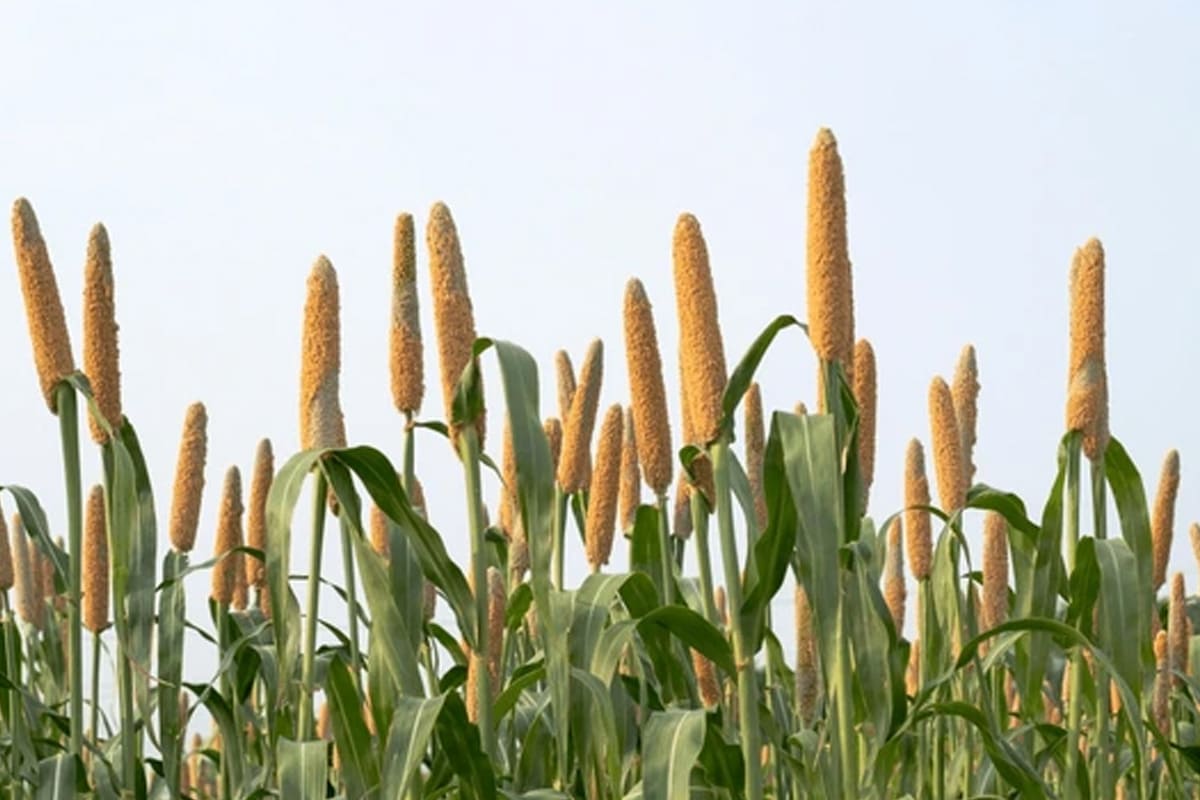
Drought-tolerant bajra hybrids developed for higher productivity and crop resilience.
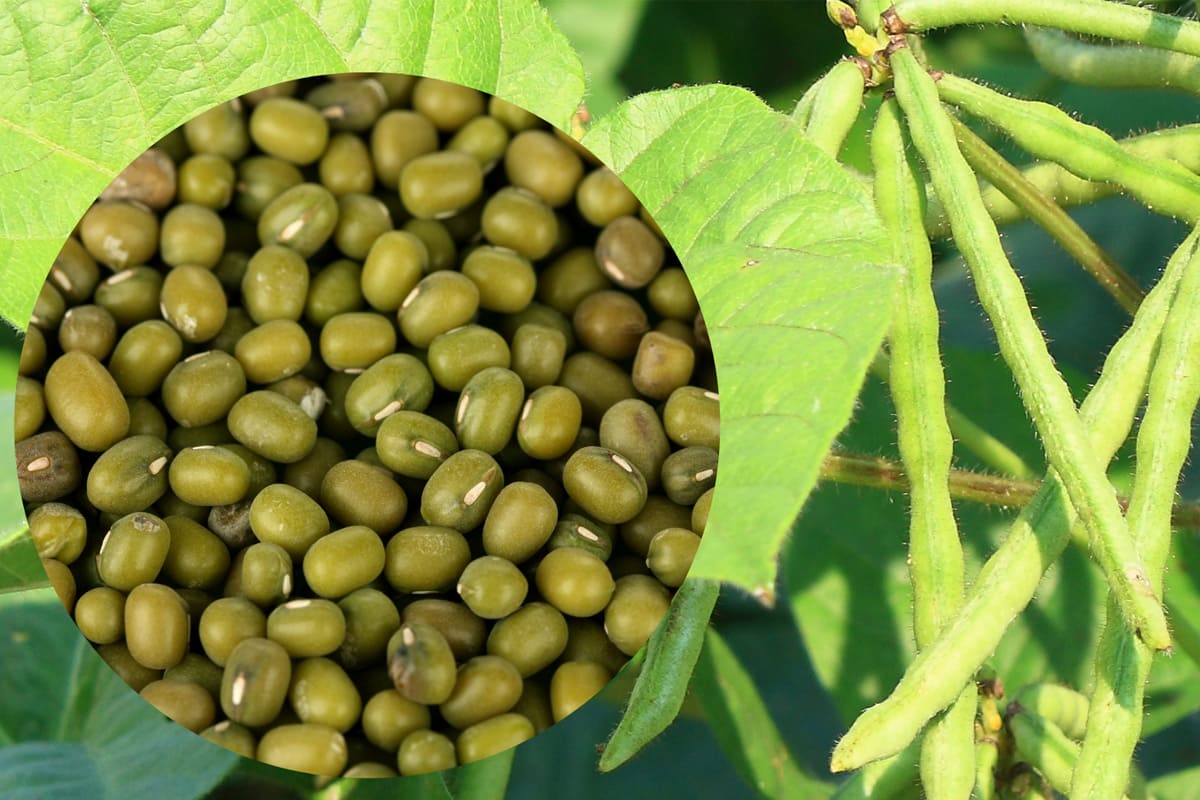
Field crop
Quality green gram seed solutions designed for healthy crop growth and improved yields.
Research & development
Breeding happens where crops grow. R&D farms, seed testing laboratories, and processing plants form one chain — from plot to packet.
DSIR Recognition. This recognition validates that the company possesses the laboratory setup, infrastructure, and qualified scientific personnel required to innovate and breed proprietary hybrid seed varieties.
Quality Assurance
Quality standards are observed in the field, then tested in the Quality Assurance Lab. Seed testing laboratories operate in Himatnagar, Gujarat, and Ankapur, Telangana.
Lab → Research
R&D farms
A dedicated R&D team focused on field crops and vegetables. Breeding is observed first in the research plot — at Hajipur Farm in Himatnagar, and at farms in Junagadh, Ahmedabad, and Ankapur.
Research → Field
Where breeding happens
Research does not end in the laboratory. Breeding happens where crops grow. Field standards come first; the plot is the first instrument.
Field → Crop
Field crops and vegetables
The work is made to meet the crop: cotton, wheat, soybean, paddy, maize, bajra, and pulses, with a vegetable breeding focus alongside the field programme.
R&D farms
Seed testing labs
Processing
Field story
A variety does not stay in the laboratory. It meets soil, weather, and the farmer who planted it.
01 / 05·The compressed idea
Genetics, packed into a grain.
Every variety begins as a decision — parent lines, a combination, a grain small enough to hold. The laboratory confirms what the plot already asked.
Seed → Soil
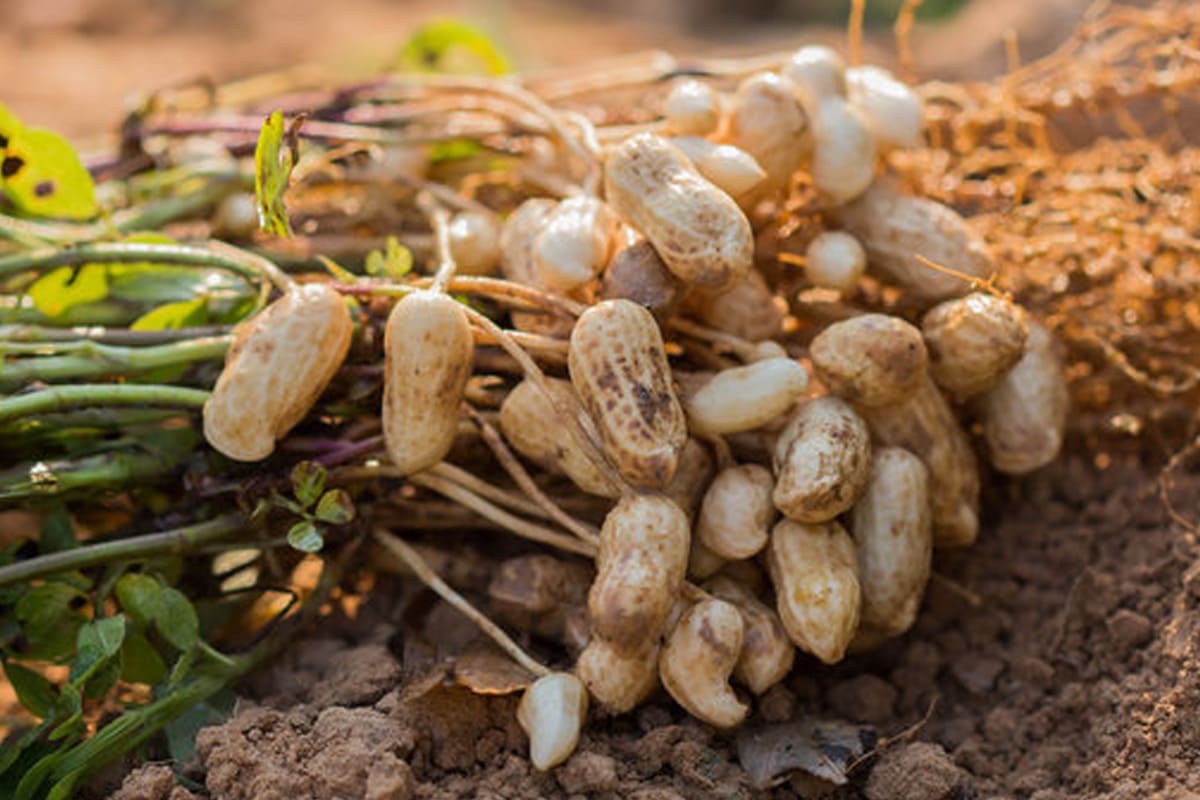
02 / 05·First contact
Where a variety meets the season.
The plot is the first instrument. A seed is judged in soil — not in a catalogue. Breeding happens where crops grow.
Soil → Plant
03 / 05·Made visible
Stand, tiller, the architecture of a crop.
Emergence is the first proof. The plant that follows is the variety seen in weather and light — its height, its tiller, its will to hold.
Plant → Crop
04 / 05·Field performance
Real light. Real weather.
Varieties developed for the fields they will meet — cotton, paddy, wheat, soybean, maize, bajra, and pulses — under the season that will test them.
Crop → Harvest
05 / 05·The only proof
A relationship that outlasts a season.
Science in every seed, success in every field. The harvest is not a figure we invent. It is the farmer still planting next year.
Seed → Soil → Plant → Crop → Harvest
The laboratory is only the beginning.
Research becomes a grain. The grain becomes a field. The field becomes a relationship that has to be earned again next season.
Trust
Quality standards are observed in the field, then tested in the Quality Assurance Lab. A dedicated R&D team works on field crops and vegetables.
8+
Presence across 8 states
Distribution network operating in more than 8 states, with focus crops including cotton, wheat, soybean, paddy, maize, bajra and pulses.
01
A dedicated R&D team focused on field crops and vegetables — seed solutions for the challenges of present agriculture.
02
Quality standards are observed in the field, then tested in the Quality Assurance Lab before seed reaches the market.
03
Technical support and practical solutions, intended to improve farm profitability and lasting relationships.
DSIR Recognition
Kirtiman Agrogenetics Limited is officially recognized by the Department of Scientific and Industrial Research (DSIR), under the Ministry of Science & Technology, Government of India.
MSME Registration
Kirtiman Agrogenetics Limited is registered under the MSME sector, categorized based on its investment and turnover criteria.
Values
Sustainability
Creating farmer-centric seed solutions for sustainable prosperity. That is a long view of the farmer — not a claim about carbon, water, or unaudited impact.
The published mission is farmer-centric seed solutions for sustainable prosperity — socio-economic growth measured in the next season, not in a campaign.
Varieties are described as regionally specific and fit to climate challenges. That is an agronomic aim: the crop, the region, and the season the farmer actually meets.
Quality is observed in production fields, then confirmed in the Quality Assurance Lab, so a seed respects both soil and the season that will test it.
Insights
Editorial notes for the website. They are not news reports and do not invent trial results.
Seed technologyEditorial placeholder
How breeding decisions made in the research plot become the first green line in a farmer’s field.
Read the noteCrop insightsEditorial placeholder
Regional-specific seed is not a slogan. It is a response to soil, season, and the limits of water.
Read the noteFarming knowledgeEditorial placeholder
A seed company’s reputation is made twice: once under a microscope, and again in a farmer’s first irrigation.
Read the noteFrom science to harvest
The laboratory is only the beginning. Explore the crops already bred for Indian fields — or talk to us about seed, research, and the next season.
Science in every seed, success in every field.